
Railroad Consulting Network LLC
Tailored solutions that simplify your freight railroad challenges
Trusted Rail Industry Experts
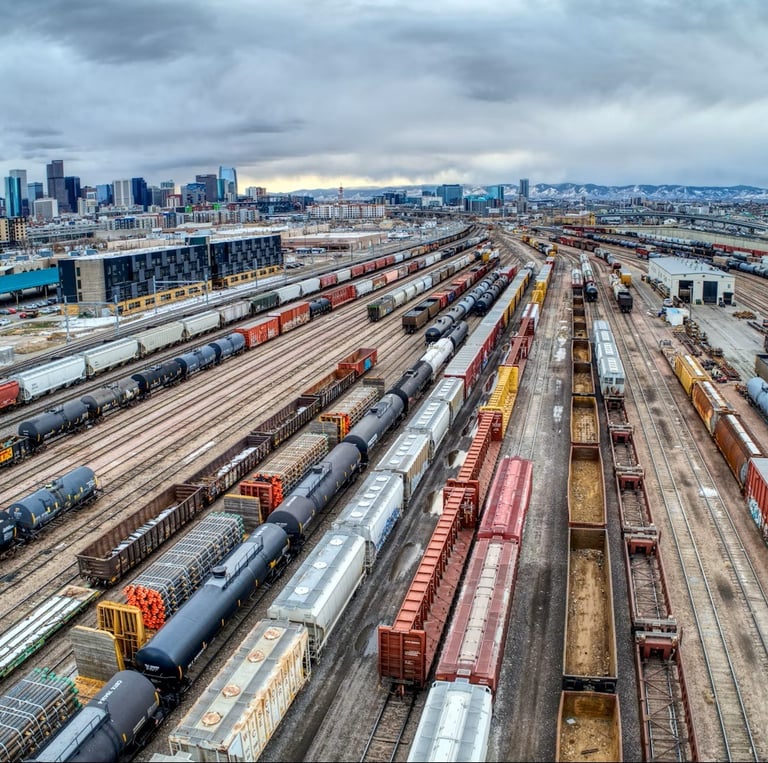
With over four decades of experience, we deliver tailored solutions that drive real results for freight railroads and transportation partners.
Networked with highly experienced consultants and leaders in the transporattion industry, we can provide your company creative solutions to the most complex business problems no matter how big or small. Further, recognizing that our clients have unique business situations, we ensure that our services are focused on those unique needs.
We are the most experienced consulting firm in the rail industry specializing in car hire rate negotiation (aka deprescription) services ranging from rate representation (agency) to arbitration.
We offer services in all areas of railroad management including process improvement, freight car issues, finance, accounting, marketing, and AAR compliance. We also perform special projects of almost any kind.
We Generate Results
We have generated millions of dollars in benefits to our clients. With over 29 years of railroad management experience, we understand critical factors that drive success.
Our client base includes:
Class I, Regional, and Short line Railroads
Shippers, Consignees, and New Railroad Customers
Financial Institutions, Leasing Companies, and Investors
Freight Car Builders and Suppliers
Private Freight Car Owners and Management Companies
Transloading & Warehousing Companies
Our Services
Tailored railroad consulting to solve your toughest challenges.


Consulting & Management Services Overview
We have the expertise and experience to provide railroads and their industry partners with creative solutions to complex business problems no matter how big or small. Recognizing that our clients have unique business situations, we ensure that our services are focused on those unique needs.
Car Hire Rate Negotiation
Strategy and Forecasting
Market Data Evaluation
Car Hire Arbitration / Rule 25
Rule Compliance Management
Car Hire Revenue & Cost Management
Car Hire Cost Control & Efficiencies
Analysis & Optimization
Payable / Receivable
Car Hire / Car Service
AAR Rules Compliance
Administration
Process Improvement
Litigation Support
Special Projects Services
Analysis & Due Diligence
Strategic Planning
Management Training
Special Requests
Data Modeling for specialized needs


Contact
Reach out for your free consultation
Phone
al.d@railcon.net
(610) 543-3861
© 2026. All rights reserved.